Two Transju Winners about France’s greatest ski marathon
La Transju 2024, which takes place on the weekend of 10 and 11 February, is already shaping up to be a great event, with over 2,400 entries.
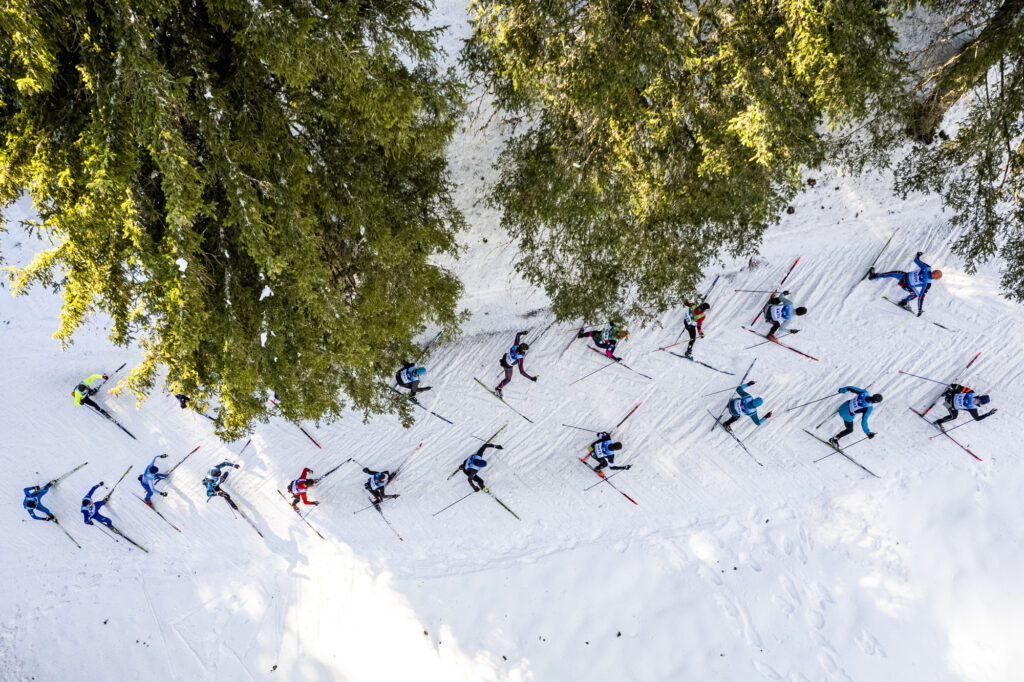
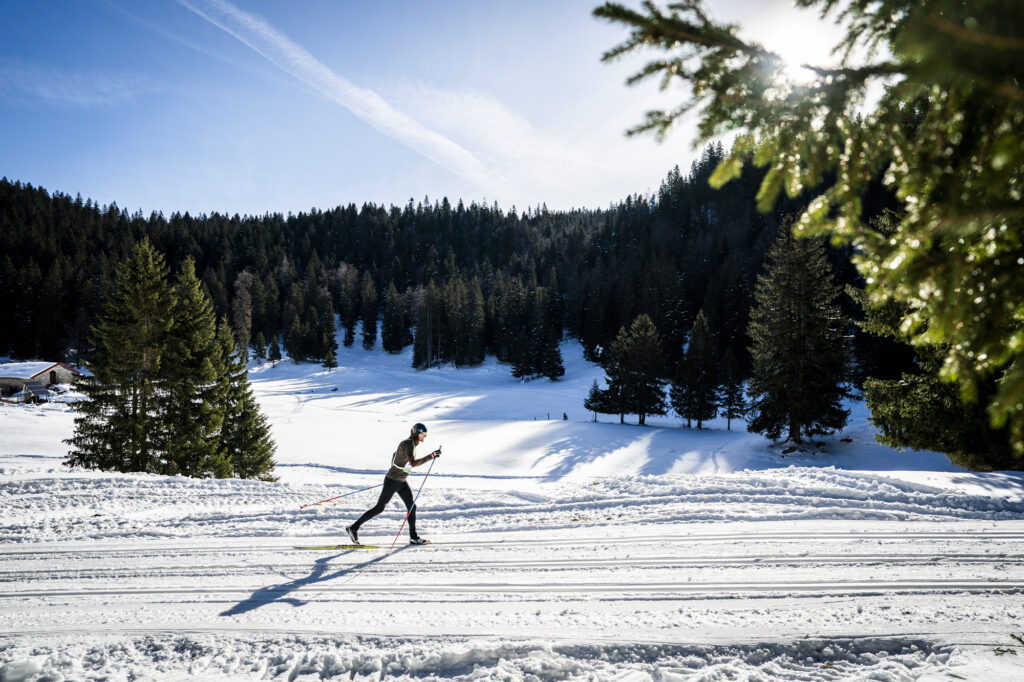
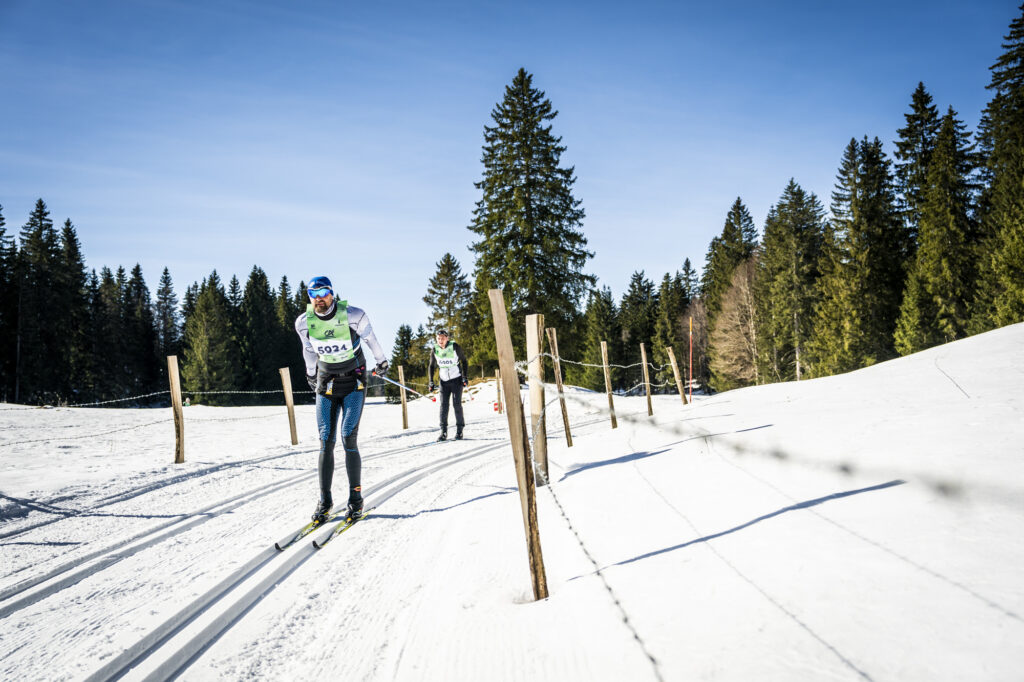
Three routes have been prepared to ensure that the biggest Nordic ski race in France takes place in the best possible conditions. Each year, La Transju’ welcomes welcomes around 4,000 participants. Its routes trace through the Doubs and Jura départements. Spanning enchanting landscapes, this emblematic event links the villages of Lamoura in the Jura to Mouthe in the Doubs, nicknamed the “Little Siberia” because it is designated as the coldest village in France, with a record temperature of -36.7°C on 13 January 1968.
Alternative routes ensure a high quality La Transju 2024
In recent years, the organizers have had to deal with the unpredictable weather conditions and the lack of snow on the Transjurassienne’s historic route, Lamoura – Mouthe. Obviously, the priority remains to offer this route, but weather conditions could force the organizers to consider other solutions. So, in order to offer a quality event to all participants, Trans’Organisation has been working on two alternative routes, while preserving the spirit of La Transju’, namely sport, conviviality and discovery of the Jura Mountains. The route of La Transjurassienne will be unveiled at the traditional press conference on Monday 5 February.
Transju winner 2022 Interview: Céline Chopard-Lallier
Céline Chopard-Lallier is a French cross-country skier and winner of the Transjurassienne 2022. She is a member of Team Nordic Expérience, a high-level group set up in 2014 and made up mainly of athletes from the Jura. She gives us her impression of the technical nature of the course and the difficulties encountered.
– Why are you coming back to La Transju’? And what are you looking for from this event?
Céline: It’s a race that’s very close to my heart. I’ve known about the Transju’ since I was a little girl, I followed my dad for years before I was able to take part and share it with him.
– What’s your favourite moment during the event? and why?
Céline: The start: you can feel the excitement on the line and when the gun goes off, the pressure gives way to the race and you go into your own bubble.
– What do you think is special about the course? What makes it different from other competitions?
Céline: It’s a super varied course: there are bumps, some great descents and long traverses, so there’s something for everyone.
– What are the main difficulties encountered on the course and why?
Céline: Changes in altitude and temperature can give rise to strategic choices (good or bad) and affect the race.
– What’s your favourite moment or part of the route? and why?
Céline: I particularly like the village crossings where there are lots of spectators who put a smile on your face and give you strength and motivation for the rest of the race.
– What advice would you give Transju’ participants in terms of preparation? on race day? recovery?
Céline: Training is obviously essential, and it’s best to arrive with a few kilometres under your belt… On race day, don’t set off too quickly, but make sure you’re on the right track and, above all, get plenty of food! To recuperate, a little Comté cheese fondue and off you go again.
– If you had to convince someone to sign up for the event, what would you say?
Céline: It’s the most beautiful race in France, so if you have to choose one, this is the one to do!
Interview with race director Marie-Pierre Guilbaud
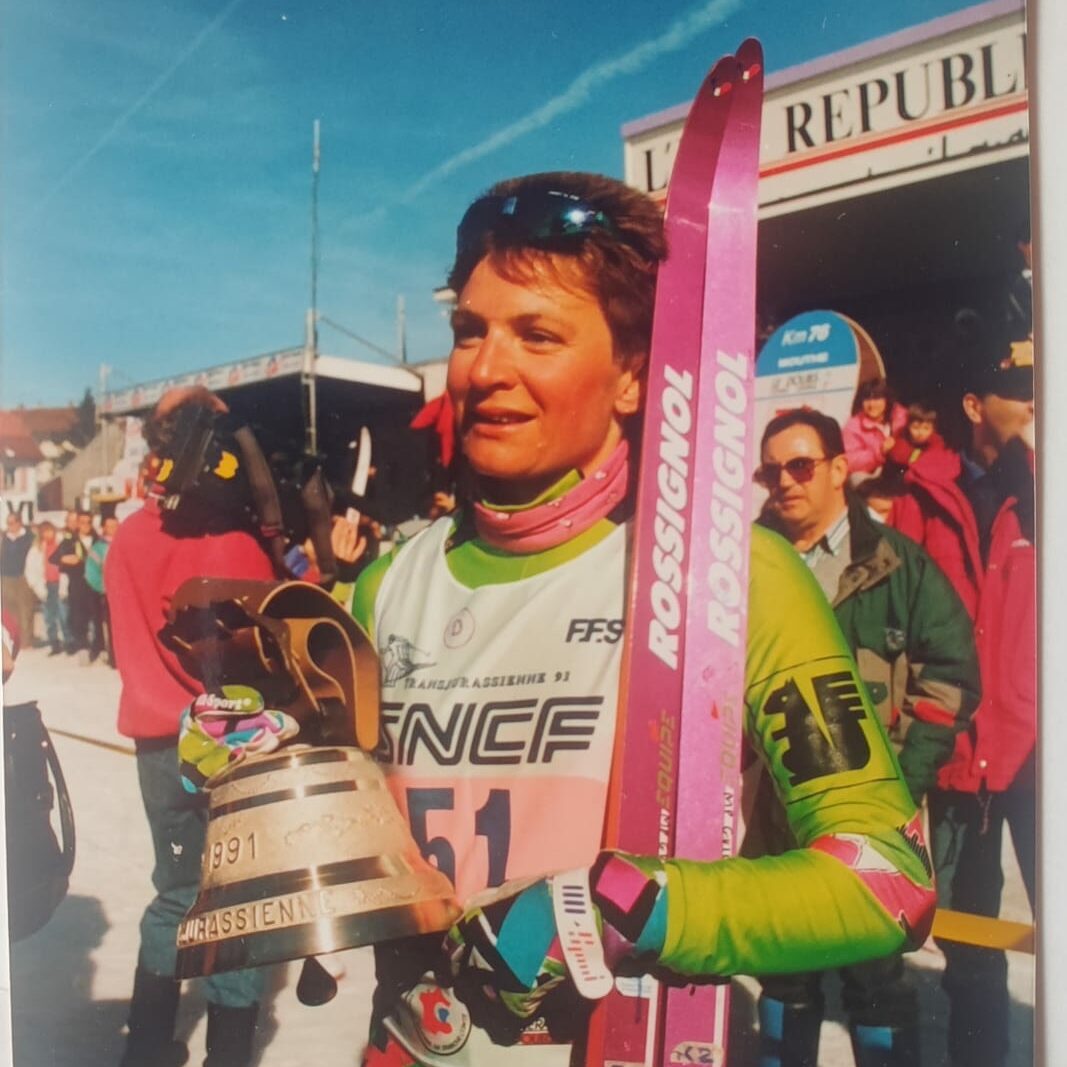
Marie-Pierre Guilbaud is race director at Trans’Organisation. A former cross-country skier, she was a member of the French Nordic ski team from 1988 to 1995 and was ranked in 3 cross-country events at the 1992 Albertville Olympic Games.
She is a four-time winner of La Transjurassienne (1989, 1991, 1994, 1995) and has competed in the long-distance race on numerous occasions. For several years now, she has accompanied the participants in Skier pour Elles (a charity campaign against women’s cancer) on the 25 classique. She is a committed member of the organisation. She tells us about her experience as an athlete and race director.
– Which 3 words describe the Transju’ in general and why?
Marie-Pierre Guilbaud: Enthralling: once you’ve signed up, it’s all you can think about (your preparation, your sleep, your food…).
Mythical: every year, representatives from 32 nations come to take part in this crossing, one of the most beautiful events in the Worldloppet.
Popular: cross-country skiing, which often remains confidential, is bathed in an indescribable popular fervour on this day. Around 4,000 racers of all abilities share the track on this day, with top skiers rubbing shoulders with beginners in a friendly atmosphere.
– Can you tell us more about your role as Race Director at Trans’Organisation?
Marie-Pierre Guilbaud: Having been involved in the race as an athlete, I was honoured to be offered this job. Runners, and I’m the first, don’t realise how much work goes into preparing for a race (permits, transport, etc.), so it’s very interesting to be on the other side of the fence. This race has meant a lot to me and this is a way of giving back what I’ve been given.
– What’s special about the course? What makes it different from other competitions?
Marie-Pierre Guilbaud: The route crosses two départements. It passes through some of the most emblematic villages in our mountain range, where the fervour on the day is unmistakable. Everyone has a friend, relative or colleague who is taking part, and they come to cheer them on and provide them with supplies.
– What are the main difficulties encountered on the route and why?
Marie-Pierre Guilbaud: The traditional Risoux climb is often presented as the judge of peace and there are often attacks, but it’s the length and sequence of leg-breaking bumps that wear down the body and mean that victory goes to a strong guy.
– What advice would you give participants in the Transju’ in terms of preparation? on the day? recovery?
Marie-Pierre Guilbaud: The best thing is to be able to ski regularly from the start of the winter, but above all to keep physically active throughout the year. And during : ENJOY!
– If you had to convince someone to sign up for the event, what would you tell them?
Marie-Pierre Guilbaud: If you’re going to do a cross-country ski race, this is the one! The trails are Nordic and varied, there are clarines in the villages, the organisation is well honed… and you’re going to meet some great people who are passionate about skiing.
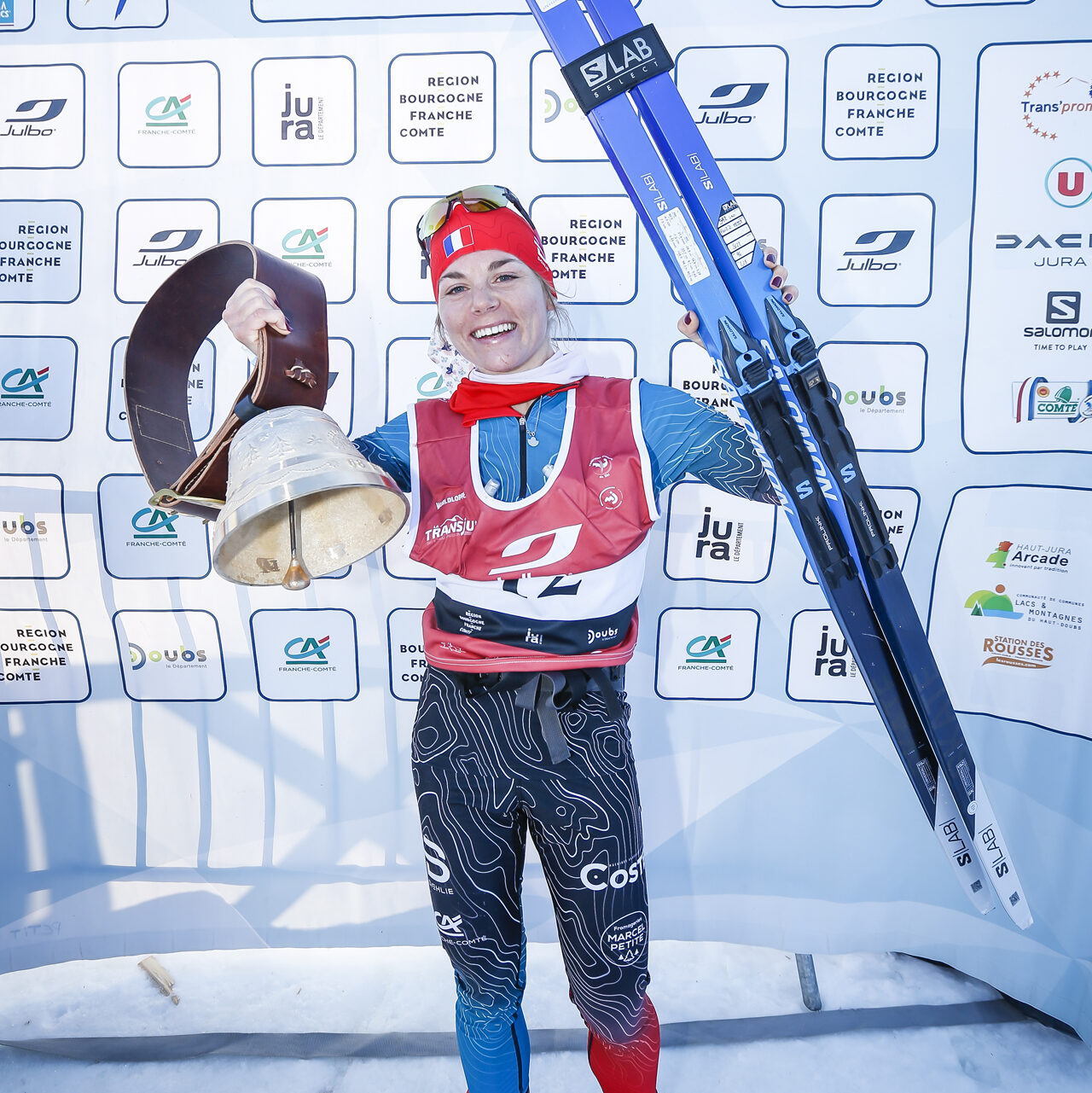
Franche-Comté bell: the special prize for the winners
The Franche-Comté bell is much more than a prize for the winners of the Transju’, it’s a symbol deeply rooted in the history and tradition of the region. Made in Labergement Sainte Marie by the expert hands of Obertino’s craftsmen, these bells embody the spirit of Franche-Comté.
Made of copper, they resonate melodiously around the necks of grazing cows, representing the intimate link between man, nature and the earth. As well as their practical function of locating lost animals, they are a folk and craft heritage, evoking the authentic charm of the region’s countryside. They are also a traditional feature of summer mountain festivities, symbolising the region’s living heritage.
Each bell is meticulously forged and represents the fruit of Obertino’s craftsmanship and family heritage. It represents the strength, resilience and authenticity of the participants in La Transjurassienne. Offered to the men and women who triumph over this demanding challenge, it becomes an emblem of success and determination. Over and above its material value, this bell conveys a precious cultural heritage and honours the winners by inscribing them in a line of champions who have conquered the snow-covered slopes of the Transju’.
BACK